Symptoms Of Prostate Cancer In Neutered Dogs / Enjoy This Oncology Article By Sandra M Axiak And Astrid Bigio / Neutered males lose most function of the prostate after surgery.. This is due to the effect of the cancer on the dog's bones. Intact dogs are prone to infection which can't be cleared without neutering. As can be the case, the visible symptoms of prostate problems in dogs may be similar to those of other ailments, but in general, watch out for these signs: Diagnosis is made by biopsy. The glandular changes and disruption of normal urine flow and/or prostatic fluid flow associated with bph predisposes the gland to infection.
General pain, overall debilitation and weakness, decreased appetite and weight loss. Primary prostatic cancer in dogs does not respond well to currently available forms of treatment. Dogs experience discomfort as the prostate enlarges and puts pressure on the urethra, making it difficult for the dog to both urinate and defecate. But it is mostly observed in unaltered male dogs than neutered male dogs. The most common tumors involving the prostate are adenocarcinoma and transitional cell carcinoma.
Pdf A Novel Canine Model For Prostate Cancer from www.researchgate.net If your dog is male, be that entire or neutered, he has a prostate gland and you should read this guide. While we can't identify a specific cause, we know that there are both environmental and genetic factors that cause prostate cancer in dogs, and there. My friend is planning to have her dog castrated during this month. In addition, prostate cancer can cause a dog to walk in an abnormal gait. We already prepared a comprehensive information on prostate cancer in dogs, symptoms, treatment and vital information you need to know. Infection of the prostate gland can occur with a male dog of any age, but it is more common in older dogs with bph, and is rare or nonexistent in castrated dogs due to atrophy of the prostate gland. Dogs who suffer from prostate cancer may exhibit mild or severe symptoms, but. As the dog's prostate enlargement progresses the prostate pushes itself against the urethra's wall.
According to the dog cancer news dated mar.20,2020, castration of dogs increases total malignant prostate cancer by eight times.
It is seven months old. Most other types of prostatic disease, and prostatic cancer occur with the same frequency in both intact and neutered dogs. Infection of the prostate gland can occur with a male dog of any age, but it is more common in older dogs with bph, and is rare or nonexistent in castrated dogs due to atrophy of the prostate gland. General pain, overall debilitation and weakness, decreased appetite and weight loss. Diagnosis is made by biopsy. Due to the enlargement of the prostate gland, it may push itself up against the wall of the urethra. It is frequently seen after the age of 5, and sometimes. The glandular changes and disruption of normal urine flow and/or prostatic fluid flow associated with bph predisposes the gland to infection. Rather, prostate cancer is increased by 4x in neutered dogs compared to intact males. Dogs over 8 years are prone to develop prostate cancer. Canine prostate cancer can affect dogs that are neutered or unneutered (intact), so if you have a male dog, it's good to keep an eye out for any symptoms! Dogs experience discomfort as the prostate enlarges and puts pressure on the urethra, making it difficult for the dog to both urinate and defecate. If the prostatic tumor is associated with an excess of a hormone, neutering may be beneficial.
It is seven months old. The rear legs look stiff and the dog takes very small steps. In most cases, the actual cause cannot be detected. If your dog is male, be that entire or neutered, he has a prostate gland and you should read this guide. Infection of the prostate gland can occur with a male dog of any age, but it is more common in older dogs with bph, and is rare or nonexistent in castrated dogs due to atrophy of the prostate gland.
Puppy Up Foundation Prostate Cancer Prostatic Adenocarcinoma In Dogs from www.puppyup.org Types and causes of prostate cancer in dogs. Dogs over 8 years are prone to develop prostate cancer. Canine prostate cancer can affect dogs that are neutered or unneutered (intact), so if you have a male dog, it's good to keep an eye out for any symptoms! This is due to the effect of the cancer on the dog's bones. With regard to aggression and other behaviors such as fear and anxiety, the evidence is contradictory. What causes prostate cancer in dogs? We already prepared a comprehensive information on prostate cancer in dogs, symptoms, treatment and vital information you need to know. The most common tumors involving the prostate are adenocarcinoma and transitional cell carcinoma.
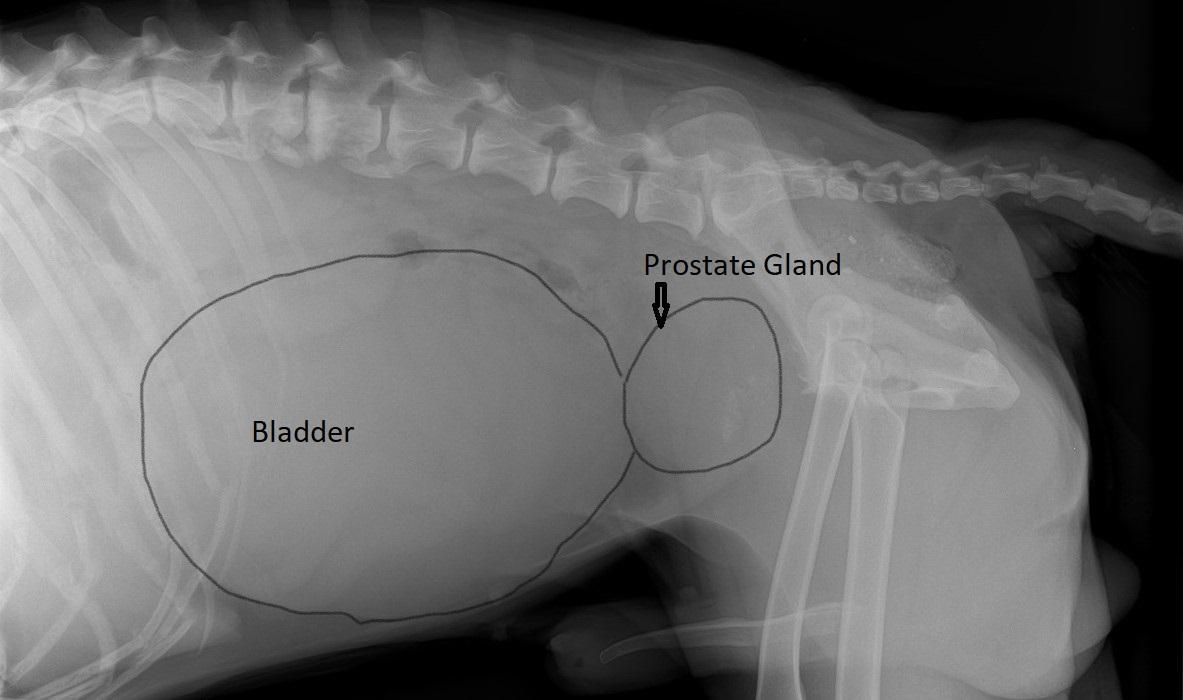
The colon, located just above the prostate, may become compressed, making it difficult to pass bowel movements.
There are various types of canine prostate cancer. My friend is planning to have her dog castrated during this month. The most common tumors involving the prostate are adenocarcinoma and transitional cell carcinoma. That is why the prostate needs to be examined at frequent intervals after surgery. General pain, overall debilitation and weakness, decreased appetite and weight loss. Most other types of prostatic disease, and prostatic cancer occur with the same frequency in both intact and neutered dogs. For example, some pets may exhibit lethargic behavior or. Prostatic adenocarcinoma is seen in both intact and neutered dogs, representing about one percent of all malignant tumors found in dogs. The colon, located just above the prostate, may become compressed, making it difficult to pass bowel movements. Targeted radiation therapy may be possible, and some chemotherapy drugs may be useful depending on the type of tumor (see handout prostate tumors in. Urethral obstruction caused by prostatic disease in dogs is highly suggestive of neoplasia, as is prostatomegaly in a previously castrated dog. In most cases, the actual cause cannot be detected. The glandular changes and disruption of normal urine flow and/or prostatic fluid flow associated with bph predisposes the gland to infection.
In most cases, the actual cause cannot be detected. Sadly, prostatic cancer tends to be highly aggressive and metastatic because it's typically late, after the clinical signs have progressed. General pain, overall debilitation and weakness, decreased appetite and weight loss. It appears that canine prostate cancer arises with similar frequency in neutered and intact male dogs. The rear legs look stiff and the dog takes very small steps.
Prostate Issues In Dogs And Cats from smb.ibsrv.net Prostate problems start developing as age advances. The most common tumors involving the prostate are adenocarcinoma and transitional cell carcinoma. What causes prostate cancer in dogs? Most other types of prostatic disease, and prostatic cancer occur with the same frequency in both intact and neutered dogs. For example, some pets may exhibit lethargic behavior or. If your dog is male, be that entire or neutered, he has a prostate gland and you should read this guide. Its main function is to supply fluid that will help in the transportation of the sperms. As can be the case, the visible symptoms of prostate problems in dogs may be similar to those of other ailments, but in general, watch out for these signs:
In most cases, the actual cause cannot be detected.
Other possible symptoms include pain, weight loss, fever and lethargy. Primary prostatic cancer in dogs does not respond well to currently available forms of treatment. As can be the case, the visible symptoms of prostate problems in dogs may be similar to those of other ailments, but in general, watch out for these signs: The glandular changes and disruption of normal urine flow and/or prostatic fluid flow associated with bph predisposes the gland to infection. Even in japan, some doctors estimate that the castration of the dog less than six months old has more risks to take prostate. Prostatic adenocarcinoma is seen in both intact and neutered dogs, representing about one percent of all malignant tumors found in dogs. Types and causes of prostate cancer in dogs. Dogs experience discomfort as the prostate enlarges and puts pressure on the urethra, making it difficult for the dog to both urinate and defecate. Infection of the prostate gland can occur with a male dog of any age, but it is more common in older dogs with bph, and is rare or nonexistent in castrated dogs due to atrophy of the prostate gland. Benign prostatic hypertrophy or hyperplasia, aka bph: Canine prostate cancer can affect dogs that are neutered or unneutered (intact), so if you have a male dog, it's good to keep an eye out for any symptoms! Rather, prostate cancer is increased by 4x in neutered dogs compared to intact males. Therefore, prostate cancer is more commonly seen in castrated.