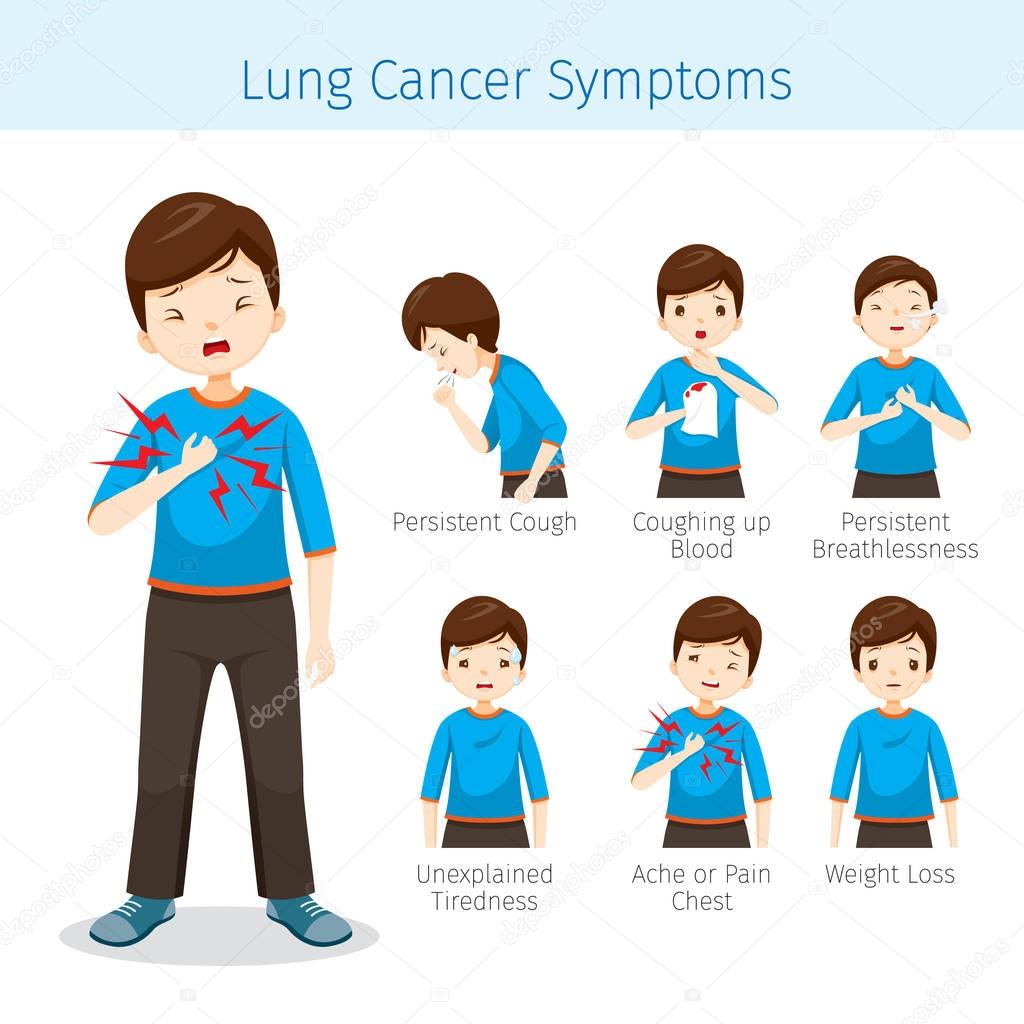
Lung Cancer Symptoms In Dogs : Study: Dogs Can Smell Lung Cancer / The protocol will often differ based on the symptoms your dog presents with.. Symptoms of lung cancer in dogs in the absence of diagnostic testing, it can be challenging to detect lung cancer in dogs. Other dogs have no symptoms at all. Lung cancer in dogs is almost always a secondary cancer, having spread from an initial cancer location into the lungs. The dog will present symptoms such as chronic coughing and lack of appetite. Symptoms of lung cancer are coughing (which may also produce phlegm or blood), exercise intolerance (lethargy), weight loss or loss of appetite, and other respiratory signs such as trouble breathing or shortness of breath.
Occasionally, small amounts of blood may be coughed up. Or it may be because of congestive heart failure. Symptoms of lung cancer in dogs usually there are no symptoms in the early stages of canine lung cancer. So, monitoring your older dog's overall health is essential. Signs your dog has cancer here are some of the most common signs of cancer in dogs and the types of cancer that cause them.
Puppy Cancer Diagnosis - 9 Major Symptoms to Look For In ... from 4.bp.blogspot.com The protocol will often differ based on the symptoms your dog presents with. Most primary lung tumors are diagnosed at an average age of 10 to 12 years in dogs. Surgery and radiation therapy are the most effective treatments for lung cancer in dogs. The life expectancy and prognosis of a dog with lung cancer depend on tumor size, location, and metastasis. Or it may be because of congestive heart failure. Primary lung cancer and metastatic lung cancer both have similar symptoms although coughing tends to be less common with metastatic tumors. Cancer of the lungs is a progressive disease, meaning it gets worse over time. This just means that the route of testing is usually different for each dog.
This is a malignant neoplasm, with the ability to grow rapidly and metastasize to distant parts of the body, including the organs, lymph nodes, bones, brain and eyes.
The dog is not coughing up mucus) although the cough may produce small amounts of phlegm or blood. Lung cancer in dogs symptoms the symptoms of lung cancer are coughing (which may produce phlegm or blood), exercise intolerance (lethargy), loss of weight or loss of appetite and other respiratory symptoms such as difficulty breathing or shortness of breath. On top of dogs presenting symptoms derived from the primary tumor, in advanced cases, dogs will also show signs of lung cancer. The protocol will often differ based on the symptoms your dog presents with. Dogs that show cancer symptoms seem to have a lesser survival rate than the dogs who present with no symptoms at all. Or it may be because of congestive heart failure. Some of the most common signs of lung cancer include: Most primary lung tumors are diagnosed at an average age of 10 to 12 years in dogs. Primary lung cancer is commonly carcinoma, a malignant tumor and typically attacks older dogs. What causes lung cancer in dogs? They can be detected on chest radiographs or computed tomography (ct) scanning. This is a malignant neoplasm, with the ability to grow rapidly and metastasize to distant parts of the body, including the organs, lymph nodes, bones, brain and eyes. Symptoms of lung cancer in dogs in the absence of diagnostic testing, it can be challenging to detect lung cancer in dogs.
Signs your dog has cancer here are some of the most common signs of cancer in dogs and the types of cancer that cause them. Primary lung cancer and metastatic lung cancer both have similar symptoms although coughing tends to be less common with metastatic tumors. Symptoms of lung cancer are coughing (which may also produce phlegm or blood), exercise intolerance (lethargy), weight loss or loss of appetite, and other respiratory signs such as trouble breathing or shortness of breath. Lung cancer in dogs symptoms the symptoms of lung cancer are coughing (which may produce phlegm or blood), exercise intolerance (lethargy), loss of weight or loss of appetite and other respiratory symptoms such as difficulty breathing or shortness of breath. If the dog coughs once or twice, it's of no concern, but if.
The dog is not coughing up mucus) although the cough may produce small amounts of phlegm or blood.
This just means that the route of testing is usually different for each dog. Symptoms of lung cancer in dogs usually there are no symptoms in the early stages of canine lung cancer. Symptoms of lung cancer in dogs include difficulty breathing, weight loss, and lethargy. Symptoms of lung cancer are coughing (which may also produce phlegm or blood), exercise intolerance (lethargy), weight loss or loss of appetite, and other respiratory signs such as trouble breathing or shortness of breath. Some of the most common ways to test for cancer in dogs include: It is estimated that 25% of dogs with a lung tumor show no related signs of cancer. However, there are some other symptoms that lung cancer can cause in dogs if the disease has spread to other parts of the body. When it comes to diagnosing cancer in dogs, there are a number of ways to go about this. On top of dogs presenting symptoms derived from the primary tumor, in advanced cases, dogs will also show signs of lung cancer. Unexplained lumps and bumps several forms of cancer can cause lumps or bumps on your dog's body, including a mammary gland tumor. Adenocarcinoma of the lung in dogs. Symptoms of lung cancer in dogs in the absence of diagnostic testing, it can be challenging to detect lung cancer in dogs. The dog is not coughing up mucus) although the cough may produce small amounts of phlegm or blood.
Unfortunately, it doesn't matter the type of lung cancer or the treatment options you choose, lung cancer as a whole doesn't have a great prognosis. Primary lung cancer and metastatic lung cancer both have similar symptoms although coughing tends to be less common with metastatic tumors. However, some dogs may not present any symptoms at all. According to an article published by the north carolina state university college of veterinary medicine, half of all dogs over 10 years of age will develop some form of cancer, and 25 percent of dogs will die from it. When it comes to diagnosing cancer in dogs, there are a number of ways to go about this.
10 Signs and Symptoms of Lung Cancer You Should Not Ignore ... from www.top10homeremedies.com Symptoms of lung cancer are coughing (which may also produce phlegm or blood), exercise intolerance (lethargy), weight loss or loss of appetite, and other respiratory signs such as trouble breathing or shortness of breath. Other symptoms include difficulty breathing, increased breathing rate, cough with blood, and sometimes decreased appetite, lethargy, and weight loss. The dog is not coughing up mucus) although the cough may produce small amounts of phlegm or blood. Other dogs have no symptoms at all. What causes lung cancer in dogs? Lung cancer in dogs is almost always a secondary cancer, having spread from an initial cancer location into the lungs. As the cancer progresses, the most common sign of canine lung cancer is a harsh, nonproductive cough (not coughing up any fluid or mucus). It is estimated that 25% of dogs with a lung tumor show no related signs of cancer.
This just means that the route of testing is usually different for each dog.
The most common sign of lung cancer in dogs is a chronic cough. If the dog coughs once or twice, it's of no concern, but if. However, there are some other symptoms that lung cancer can cause in dogs if the disease has spread to other parts of the body. On top of dogs presenting symptoms derived from the primary tumor, in advanced cases, dogs will also show signs of lung cancer. Cancer of the lungs is a progressive disease, meaning it gets worse over time. Primary lung cancer and metastatic lung cancer both have similar symptoms although coughing tends to be less common with metastatic tumors. Pulmonary metastases (also known as lung metastases or lung mets) can be asymptomatic early on. Surgery and radiation therapy are the most effective treatments for lung cancer in dogs. The dog will present symptoms such as chronic coughing and lack of appetite. Symptoms of lung cancer in dogs usually there are no symptoms in the early stages of canine lung cancer. During the first stage, the dog will have a tumor (most typically an adenocarcinoma), which will be small and won't affect any other organs, nearby tissues or blood vessels. However, some dogs only experience weight loss (despite a good appetite) and/or lack of energy. But it's rare that a chronic cough in your dog will be a sign of lung cancer.