Symptoms Of Bone Cancer In Dogs Hip - Bone Cancer In Dogs Symptoms Causes Treatments Dogtime - If a labrador retriever has contracted the disease, progressive lameness and painful swelling at the affected bone maybe the first symptoms to be noticed.. In fact, the american cancer society estimates that 3,500 people will be diagnosed with primary bone cancer in 2019. Treatment of hip cancer depends on the exact type of cancer present and the extent of its spread at the time it is found. Radiation therapy may also be an option. Osteosarcoma (bone cancer) is a common cancer in our dogs, and it usually develops in the long bones of the legs and the ankle or hock joint. Symptoms of bone cancer in dogs can appear subtly, especially in the early stages of the disease.
Canine osteosarcoma is the most common bone cancer in dogs. Most of the time you will notice your dog having trouble walking and not playing as much as usual. They may arise from the bone tissue, and we call them primary bone tumors. This is often the first sign of a tumor in the skull, jaw, or ribs. Sneezing, difficulties in breathing, nose bleeds or other nasal discharges are common symptoms of bone cancer in dogs when the cancer has occurred in or around the nasal cavity.
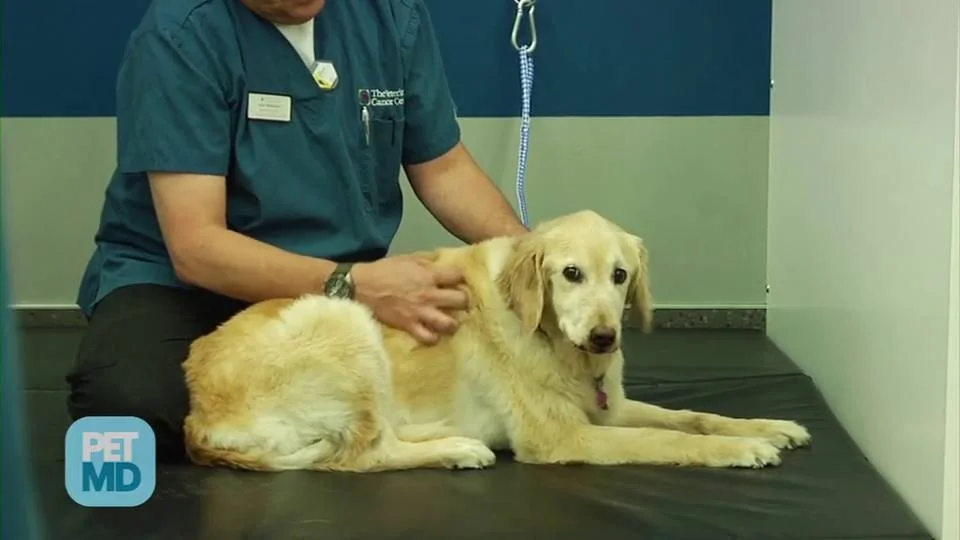
Bone Cancer Osteosarcoma In Dogs Petmd from embed-fastly.wistia.com Cancer that has started in one place can spread to and invade other parts of the body. Osteosarcomas are painful tumours that often first appear as hot, solid, tender swellings. Canine bone cancer symptoms osteosarcoma tumors typically form in a dog's long bones, or growth bones, and are found frequently below the elbow or near the knee or shoulder. Bone cancer usually causes metastases in lung tissue. The national cancer institute explains that pain and swelling in the hip are common symptoms of bone cancer. Sometimes bone cancer makes a sudden appearance as a lump in the leg, or in worst case scenario, as a pathologic fracture. They can include swelling, lameness, and joint or bone pain. In this article we will help you understand the diagnosis of cancer in dogs.
Canine bone cancer symptoms osteosarcoma tumors typically form in a dog's long bones, or growth bones, and are found frequently below the elbow or near the knee or shoulder.
Symptoms of bone cancer in dogs can appear subtly, especially in the early stages of the disease. Some dogs will grumble when touched in a certain. Dog bone cancer warning signs. Difficulty eating if a tumor affects the. Canine osteosarcoma is the most common bone cancer in hounds. In fact, the american cancer society estimates that 3,500 people will be diagnosed with primary bone cancer in 2019. 12 warning signs of bone cancer you should not ignore. Hip pain is a common complaint like that of knee or back pain. Or a small lump on the leg that becomes tender to the touch. They can include swelling, lameness, and joint or bone pain. It is more common in some breeds than others, and although there are certain reasons a dog is predisposed to bone cancer, the actual cause is not completely understood. Unexplained lumps and bumps several forms of cancer can cause lumps or bumps on your dog's body, including a mammary gland tumor. Osteosarcoma is the most common primary bone tumor of dogs and nearly 10,000 dogs are diagnosed with this cancer each year.
In fact, one of the main characteristics of bone cancer is the rapid migration or metastasis of cancer cells through the bloodstream. Canine bone cancer symptoms osteosarcoma tumors typically form in a dog's long bones, or growth bones, and are found frequently below the elbow or near the knee or shoulder. It also states that less than 0.2 percent of all cancers are primary bone cancers. Skeleton (limbs) of large to giant breed dogs, but can also occur in the axial skeleton (skull, ribs, vertebrae, pelvis), which is a more common primary site in smaller dogs. Not only is it difficult to hear the words, but many owners struggle with understanding the process of their disease and when it's actually time to let them go.
Signs And Symptoms Of Cancer In Dogs Daily Paws from imagesvc.meredithcorp.io Canine bone cancer symptoms osteosarcoma tumors typically form in a dog's long bones, or growth bones, and are found frequently below the elbow or near the knee or shoulder. In some cases, dogs suffering from bone cancer will appear tired or have anorexia. Skeleton (limbs) of large to giant breed dogs, but can also occur in the axial skeleton (skull, ribs, vertebrae, pelvis), which is a more common primary site in smaller dogs. Osteosarcoma (bone cancer) is a common cancer in our dogs, and it usually develops in the long bones of the legs and the ankle or hock joint. Our canine companions are a member of our family, making a cancer diagnosis extremely devastating. Not only is it difficult to hear the words, but many owners struggle with understanding the process of their disease and when it's actually time to let them go. Sometimes, swelling or a mass may be felt in the hip. Osteosarcomas are painful tumours that often first appear as hot, solid, tender swellings.
It is more common in some breeds than others, and although there are certain reasons a dog is predisposed to bone cancer, the actual cause is not completely understood.
Not only is it difficult to hear the words, but many owners struggle with understanding the process of their disease and when it's actually time to let them go. Or a small lump on the leg that becomes tender to the touch. Cancer that has started in one place can spread to and invade other parts of the body. Osteosarcoma is a type of bone cancer. Treatment of hip cancer depends on the exact type of cancer present and the extent of its spread at the time it is found. Other symptoms of hip cancer may be nonspecific and can include enlarged lymph nodes, fevers, chills, night sweats, fatigue and a general ill feeling. Bone tumors can be of two different types. Some dogs will grumble when touched in a certain. Usually, osteosarcoma develops in the long bones of the front legs, though the rear legs, jaw, face. Canine osteosarcoma is the most common bone cancer in hounds. In this article we will help you understand the diagnosis of cancer in dogs. Osteosarcoma (bone cancer) is a common cancer in our dogs, and it usually develops in the long bones of the legs and the ankle or hock joint. As the tumor continues to grow, the bone containing the tumor will expand.
Lameness or a distinct swelling may be noted. Skeleton (limbs) of large to giant breed dogs, but can also occur in the axial skeleton (skull, ribs, vertebrae, pelvis), which is a more common primary site in smaller dogs. Too announced k9 osa, k9 osteosarcoma, canine osa and osteogenic sarcoma, the tumor is. These are the most common symptoms when a tumor affects a limb. Bone cancer starts in the bone, and it destroys normal bone tissue.
Bone Cancer In Dogs Osteosarcoma Treatment Surgical Options from www.ethosvet.com Also announced k9 osa, k9 osteosarcoma, canine osa and osteogenic sarcoma, the tumor. Other symptoms of hip cancer may be nonspecific and can include enlarged lymph nodes, fevers, chills, night sweats, fatigue and a general ill feeling. Symptoms and types many signs of bone cancer are subtle. Sometimes bone cancer makes a sudden appearance as a lump in the leg, or in worst case scenario, as a pathologic fracture. These are the most common symptoms when a tumor affects a limb. Lameness that doesn't go away and swelling of the affected bone; Osteosarcomas are aggressive tumours that spread to other parts of the body (often the lungs). Bone tumors can be of two different types.
Difficulty eating if a tumor affects the.
Hip pain is a common complaint like that of knee or back pain. Not only is it difficult to hear the words, but many owners struggle with understanding the process of their disease and when it's actually time to let them go. Cancer cells that have spread to the bone can damage the bone and cause symptoms. Also announced k9 osa, k9 osteosarcoma, canine osa and osteogenic sarcoma, the tumor. These are the most common symptoms when a tumor affects a limb. Additionally, total hip replacement surgery in labs can also lead to the development of bone cancer in dog. If a tumor spreads to the bone, it's called bone metastasis. Too announced k9 osa, k9 osteosarcoma, canine osa and osteogenic sarcoma, the tumor is. Usually, osteosarcoma develops in the long bones of the front legs, though the rear legs, jaw, face. The national cancer institute states bone cancer accounts for less than 1 percent. They can include swelling, lameness, and joint or bone pain. Some dogs can also be very stoic and will hide their pain until it becomes severe. Unexplained lumps and bumps several forms of cancer can cause lumps or bumps on your dog's body, including a mammary gland tumor.